
- OUR PROCESS / 05
Controlled Melting. Consistent Sampling. Technical Precision.
- THE MELTING PRINCIPLE
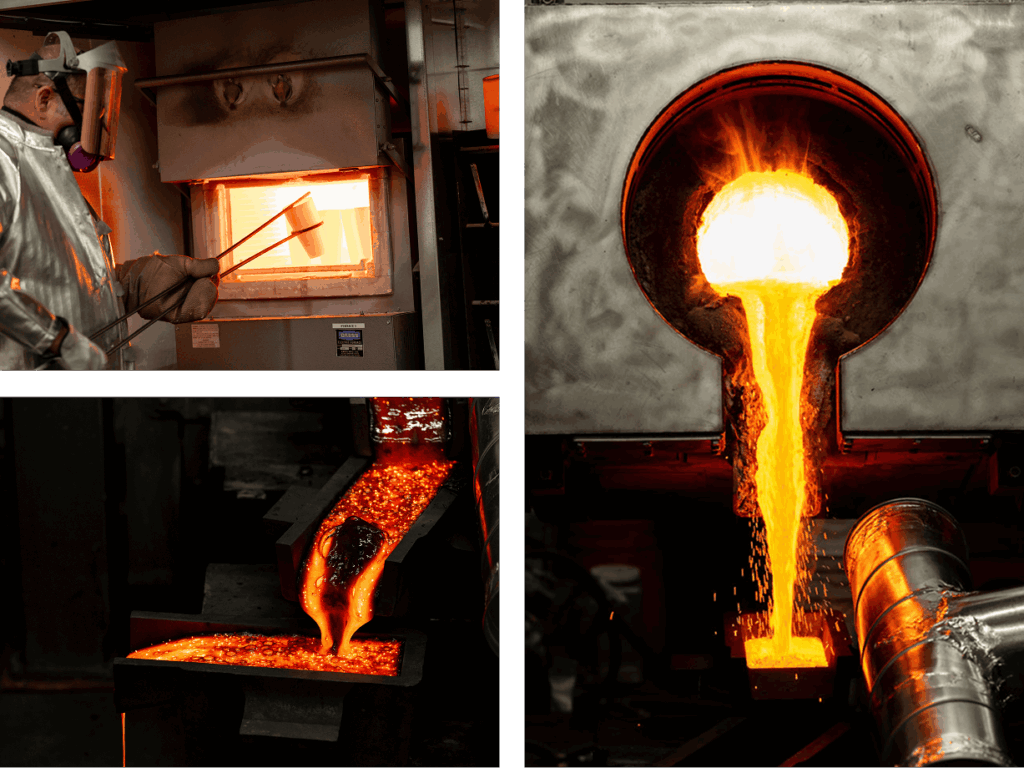
The Melt Must Be Controlled Before The Sample Can Be Meaningful.
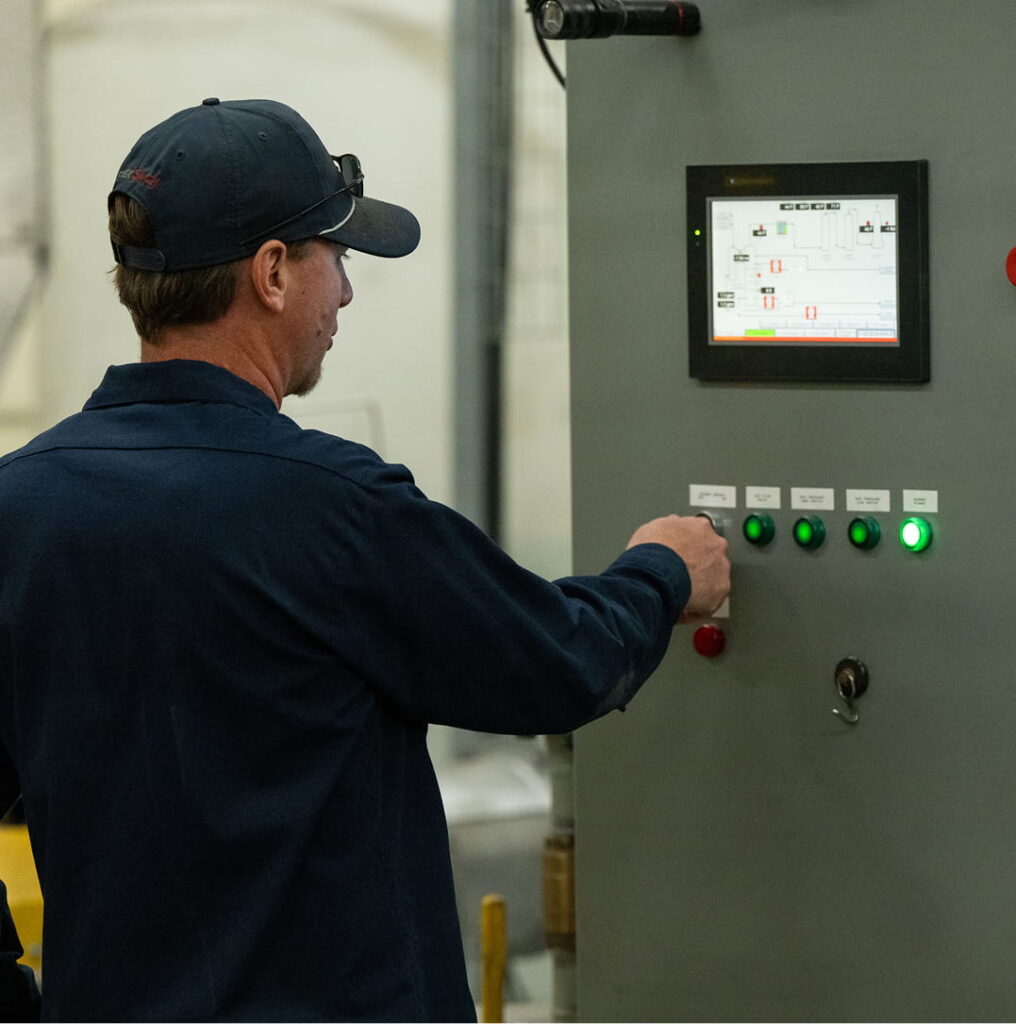
A Controlled Operating Environment
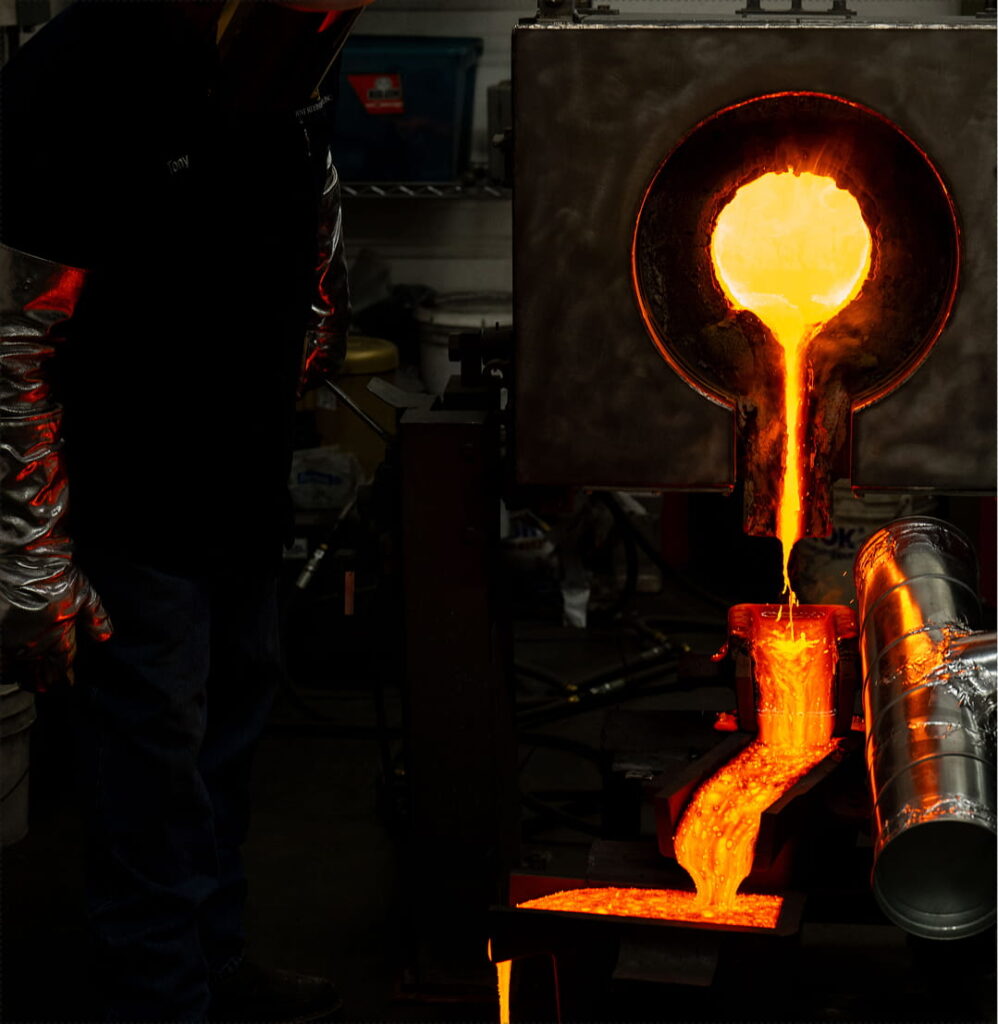
Induction melting uses high-frequency electrical current to melt metal under controlled conditions, without relying on an open flame.
A Material-Specific Decision
The path may be appropriate for clean lots, high-grade material, or smaller specialized lots, depending on the material and the operational review.
Sampling Follows The Melt
The sampling method is selected according to the material type and its metallurgical behavior, not a one-size-fits-all rule.
- THE MELTING PROCESS
A Defined Path From Material Review To The Next Analysis Step.
01 Material Review
02 Controlled Induction Melting
03 Representative Melt Sampling
04 Analysis And Clear Next-Step Communication
- PRECISION SAMPLING
The Sampling Method Follows The Melt, Not A Standard Template.
METHOD A
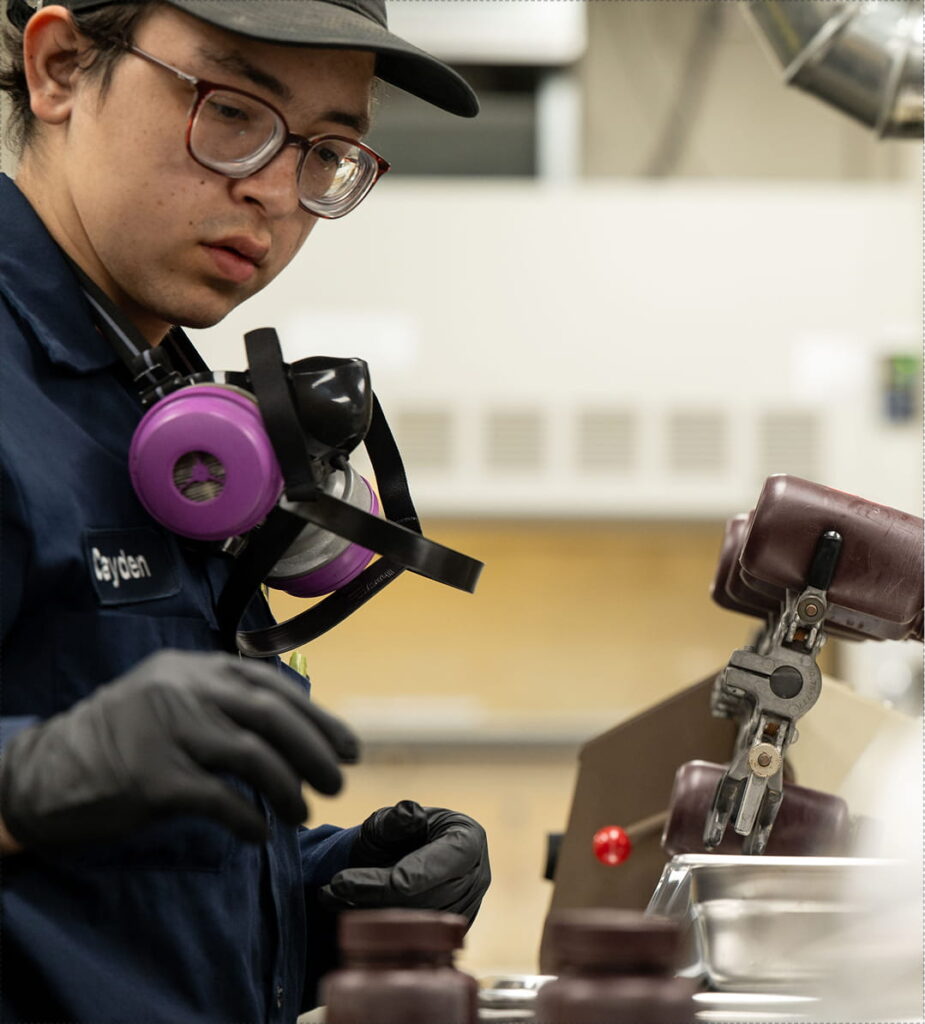
Pre-Pour Pin-Tube Sampling
For material suited to this method, a glass vacuum pin tube may be used to collect a sample from the molten material before it is poured.
METHOD B
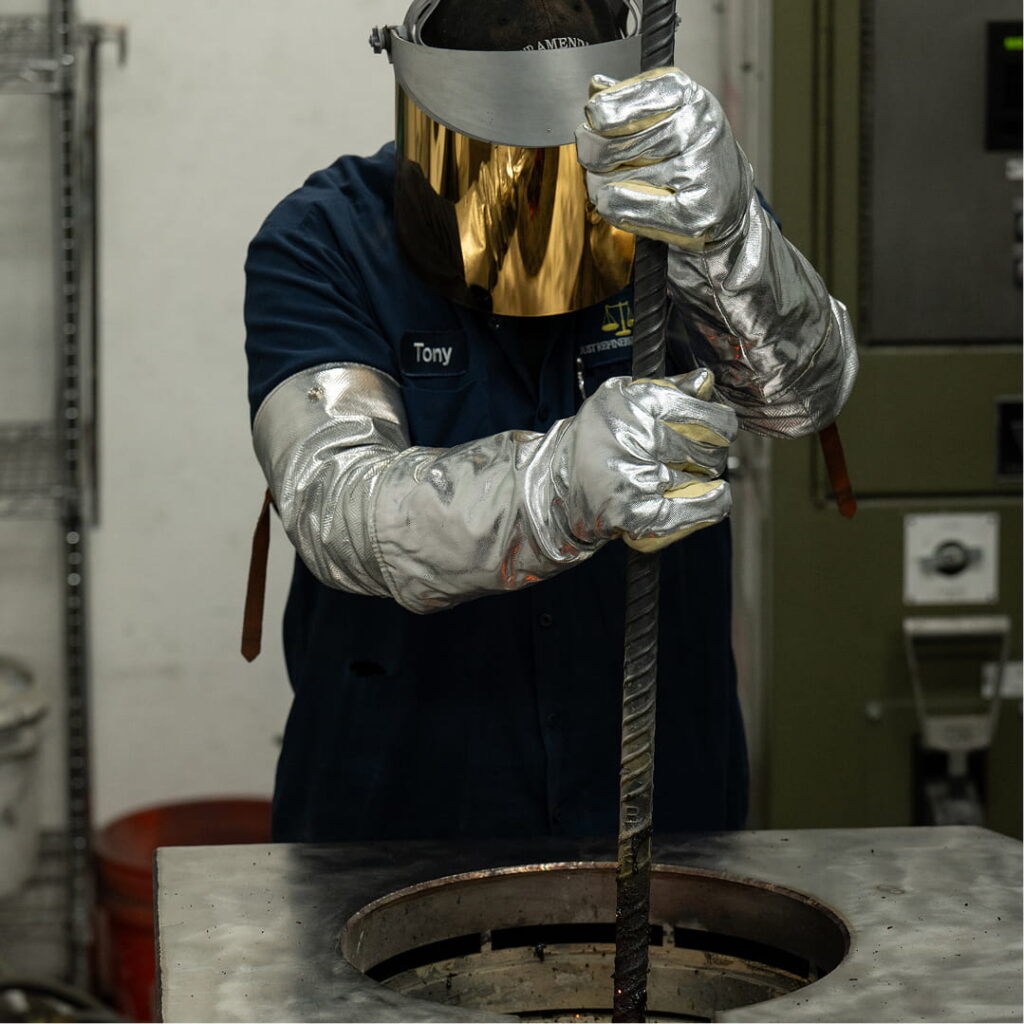
Post-Pour Bar Sampling
For other material, the melt is poured and allowed to cool before a sample is collected by drilling the resulting bar according to the applicable procedure.
- MELTING CAPABILITY
The Equipment Must Match The Material And The Lot.
Material Characteristics
Cleanliness, alloy composition, physical form, and metallurgical behavior all influence whether induction melting is an appropriate path.
Lot Size And Process Needs
The team evaluates the practical size of the lot and the operating requirements before confirming the equipment and process sequence.
Sampling And Analysis Requirements
The planned sample method and analysis path are considered as part of the operational decision, not after the melt has already begun.
- Prepare For The First Conversation
Start With What You Know About The Material.
Material Type And Form
Describe the material in practical terms. Note whether it is high-grade, clean, alloyed, specialized, mixed, or otherwise unusual.
Approximate Volume
Share an estimated weight, container count, or other practical indication of lot size when available.
Available Material Information
Provide any relevant specifications, prior assay information, composition details, source information, or handling notes that can support the initial review.
Location And Timing
Let the team know where the material is located and any timing or handling considerations that may affect the next step.
- EXPLORE RELATED PROCESSES
The Right Process Starts With The Material In Front Of You.
Represented Weighing And Sampling
Specialized & Custom Processing
Internal Laboratory
- FAQs