Serving Mining & Refining Operations Across North America

Precision You Can Trust. Expertise You Can See.
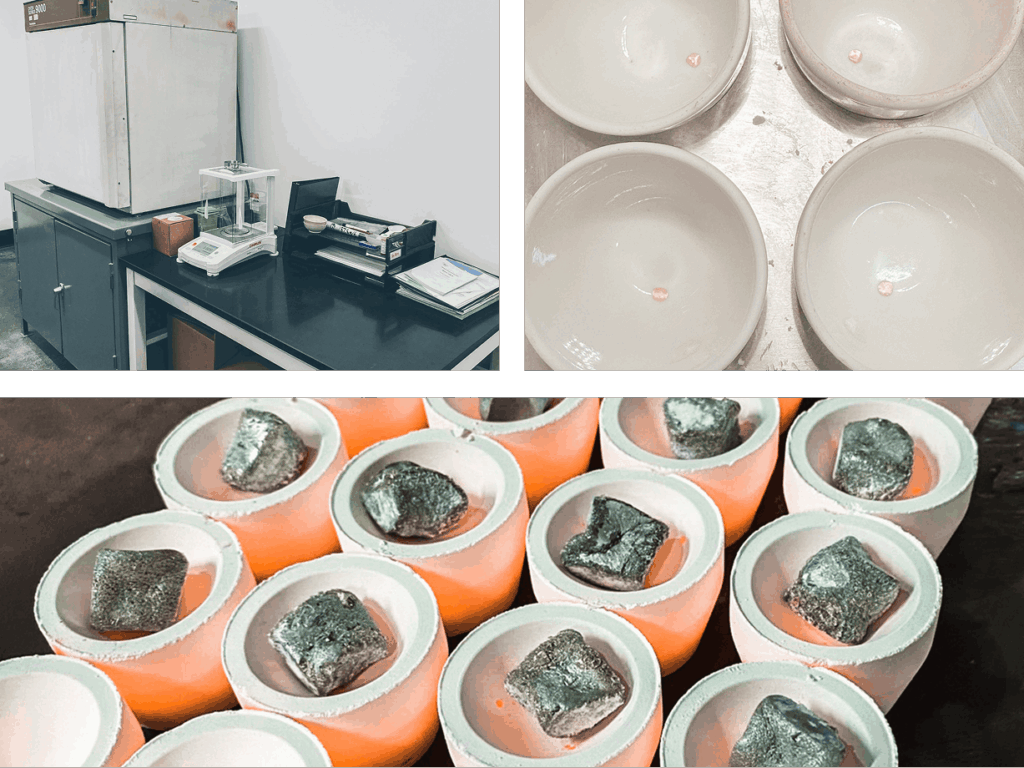
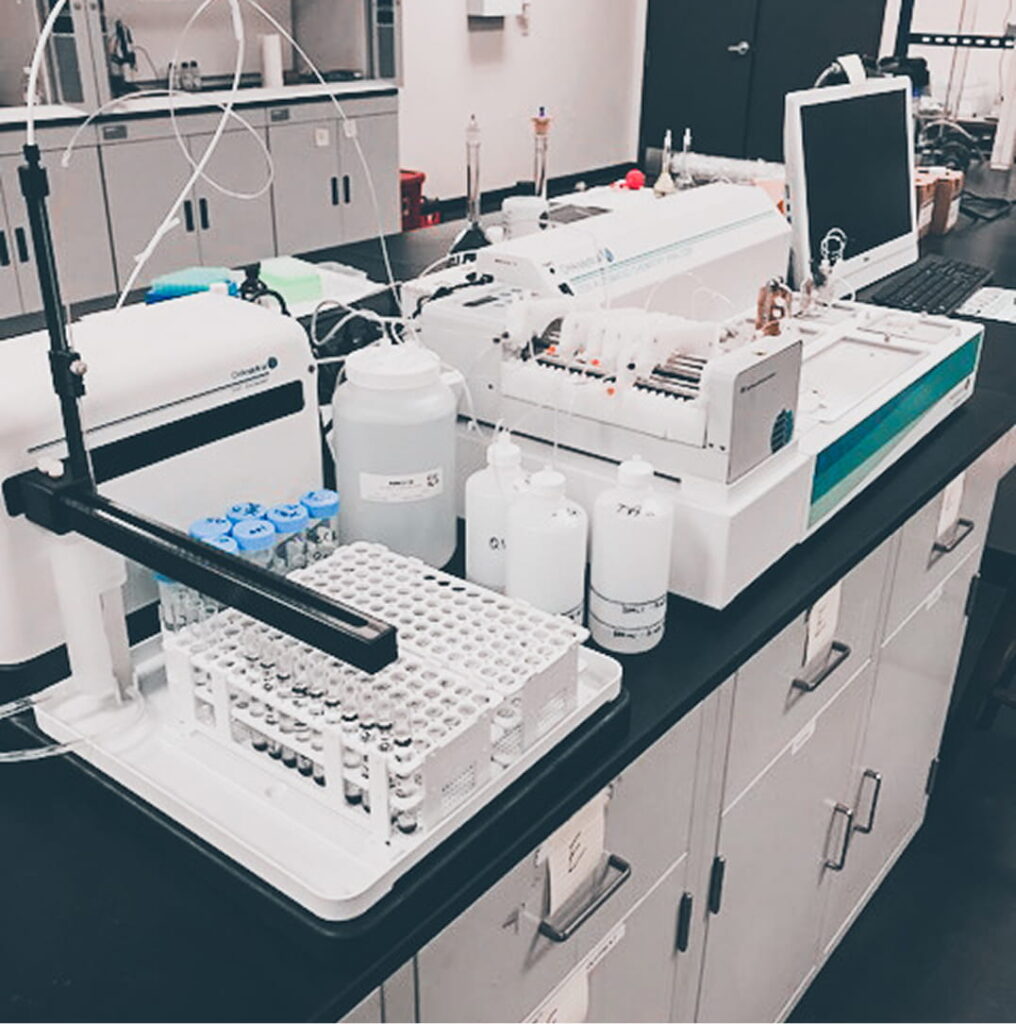
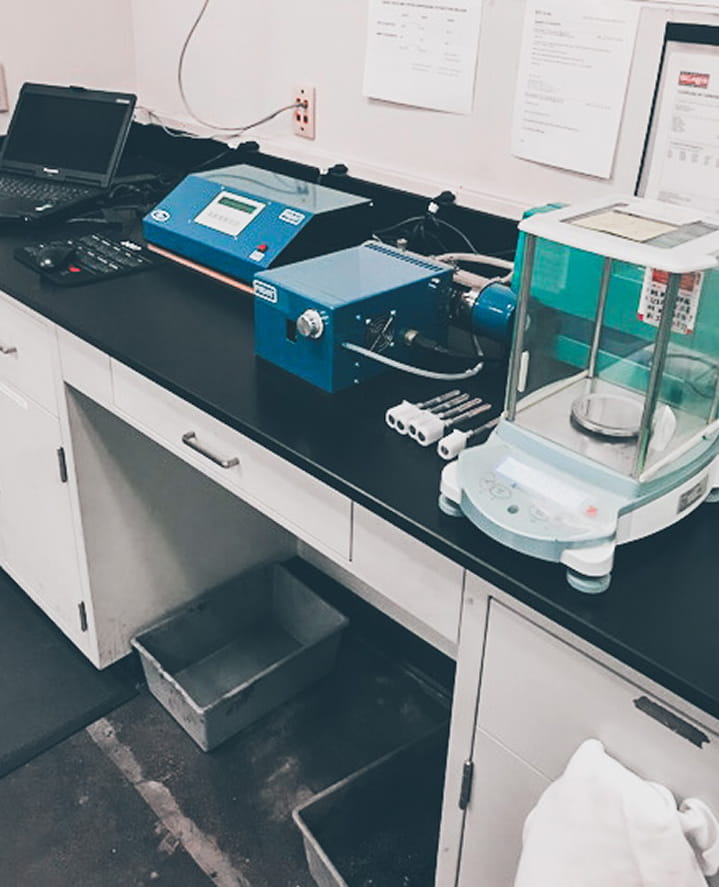
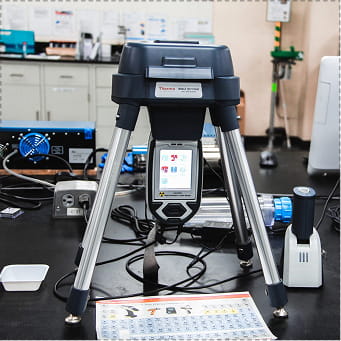
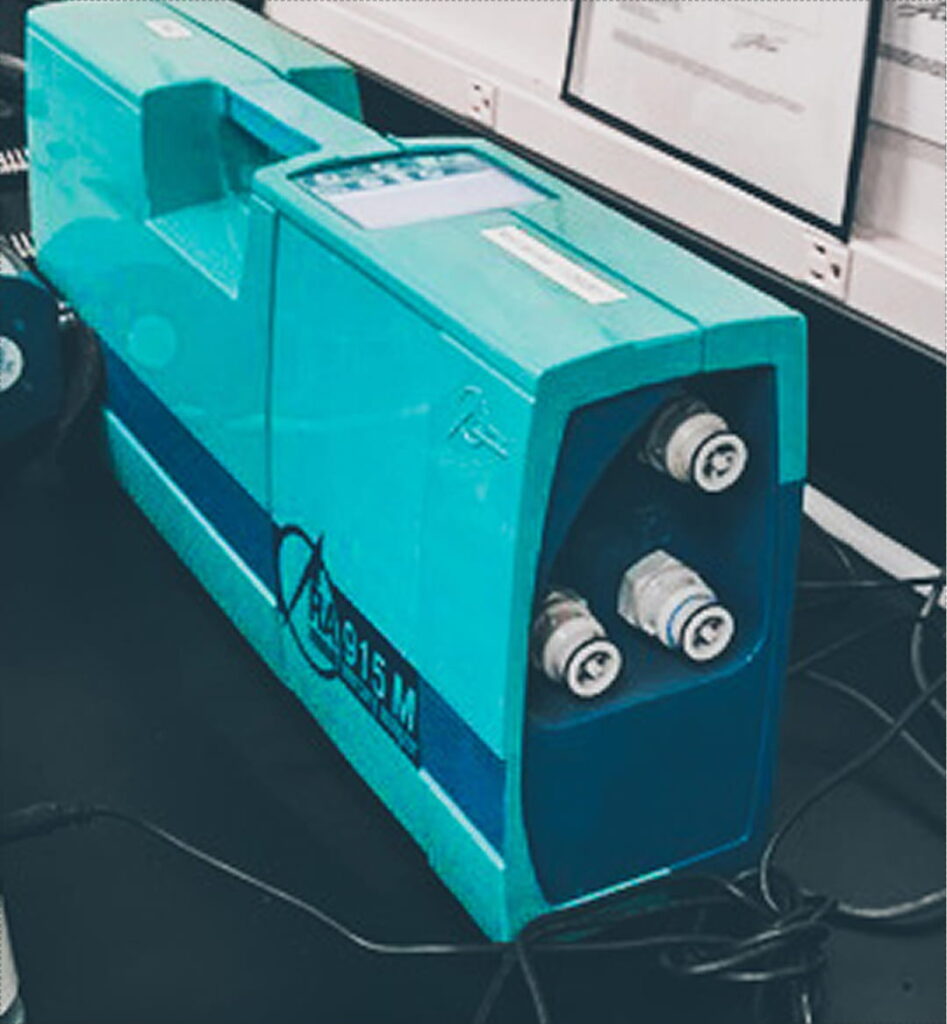
The Just Refiners internal laboratory brings sample preparation, fire assay, analytical technology, and traceable handling together to support a clearer understanding of the material in front of us.
Fire assay. Elemental analysis. Traceable sample handling.

Every Sample Needs A Clear Path Into Analysis.

Laboratory work is most useful when it is connected to a disciplined material path. Receipt, identification, preparation, sampling, and analysis work together to help the team understand the material and communicate the next step clearly.

One Material Path

Laboratory work is connected to the material’s receipt, preparation, and sampling process rather than treated as an isolated step.

Methods Selected For The Material

The appropriate analytical method depends on the material, the elements under review, and the information needed for the next discussion.

Clear Sample Handling

Reference numbers, labels, and documented handling support a clearer route from sample preparation into analysis.

A Proven Method, Applied With Care.

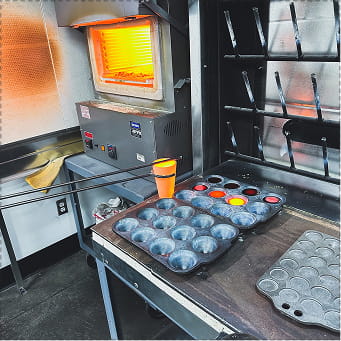
Fire assay is a long established method for determining precious-metal content. The client script identifies a structured path that includes weighing, fluxing, fusing, pouring, cupellation, and parting before the relevant analytical result is interpreted.
01 Sample Weighing
A prepared portion is measured according to the applicable laboratory procedure before the assay path begins.
The sample is combined with the appropriate flux materials as part of the fire-assay preparation process.
The prepared sample moves through controlled furnace work that separates and concentrates the relevant components for the next stage.
The fused material is transferred according to the laboratory procedure so it can move into further separation and evaluation.
The applicable assay process continues through cupellation, a stage used to isolate the precious-metal-bearing component.
The final analytical path determines the information needed for the relevant sample and the next discussion about the material.
Final production copy must use only client-approved language for fire-assay methods, sample sizes, flux selection, furnace operation, analytical procedures, element reporting, quality controls, and result communication.

Control And Monitoring Are Built Into The Work.
Incineration requires disciplined operating controls. The process is designed around equipment, monitoring, inspection, maintenance, and trained oversight that support responsible handling at every stage.

01 Fire Assay

A proven method used to determine precious metal content through a structured laboratory process.

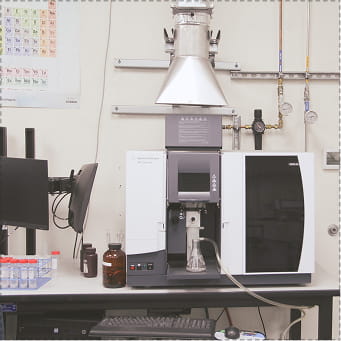
02 Atomic Absorption Spectroscopy

A method used to measure the concentration of selected elements within a prepared sample.

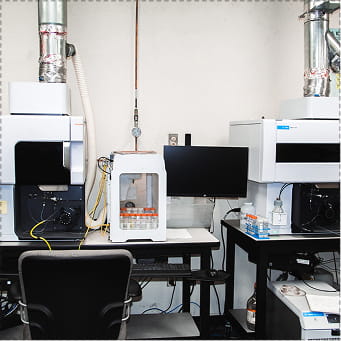
03 ICP-OES And ICP-AES

Methods used for multi-element analysis when the material requires a broader view of its composition.

04 X-Ray Fluorescence

A non-destructive screening method that can provide an initial indication of material properties before or alongside other analysis.

The final method selection depends on the material, the elements under review, and the applicable laboratory procedure.

The Laboratory Helps Identify What The Process Needs To Account For.

The laboratory supports the broader process by helping the team understand material characteristics that may affect safety, environmental controls, analytical choices, and the appropriate next step.

Potentially Hazardous Components

The client script describes laboratory monitoring for materials that may require additional safety and handling consideration, including mercury and cyanide.

Deleterious Element Detection

Broader elemental analysis can help identify components that may affect safety, compliance, or the practical treatment of a lot.

Controlled Response

Use only client-approved language to explain how findings are documented, communicated, and incorporated into the applicable operating process.

Material Evaluation Works Best When The Sample Path Is Clear.

The laboratory is part of a larger process designed to make sample handling and analysis understandable. Clear identification, agreed handling, and an appropriate analytical path help support a more informed discussion of the material.

Reference-Based Handling

The client script states that samples are assigned a unique JRI reference number. Confirm the final public description of this practice before launch.

Split-Sample Availability

The client script describes customer split samples for independent assay. Confirm eligibility, distribution rules, and final public language before publication.

Umpire Assay Discussion

The client script notes that mutually agreed third-party umpire assays may be accepted when needed. Publish only the final approved policy and conditions.

Laboratory Work Is One Part Of A Disciplined Material Path.

Represented Weighing And Sampling

See how material is received, identified, weighed, and prepared for the relevant analysis path.

Granulated Or Pelletized By-Products Processing

Learn how spent carbon and carbon fines move from controlled sampling toward analysis.

Specialized & Custom Processing

For unusual or difficult-to-classify material, begin with a tailored review before a laboratory path is confirmed.

Questions About The Internal Laboratory.

What types of material can the internal laboratory evaluate?
The internal laboratory supports the evaluation of a range of precious-metal-bearing material, including carbon, slag, dust, high-grade material, and other lots that move through an appropriate process path. The analytical approach depends on the specific material and the information needed.
Fire assay is a long-established laboratory method used to determine precious-metal content. It involves a controlled sequence of sample preparation and furnace-based stages that can include weighing, fluxing, fusing, pouring, cupellation, and parting.
Different methods answer different questions. Fire assay supports precious-metal evaluation, while other methods can provide element-specific, multi-element, or non-destructive screening information. The method selection depends on the material and the applicable laboratory procedure.
Samples are assigned a unique JRI reference number and handled through the applicable documented process. Labels, reference information, and the agreed sample path help keep the material clearly identified as it moves into analysis.
Where appropriate, the team can discuss split-sample and mutually agreed third-party umpire assay options. Availability, eligibility, sample handling, and the final process depend on the material and the agreed terms.